
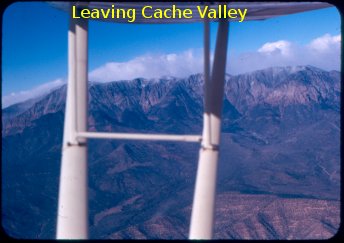
There was a two-week Christmas vacation in the schedule while I was attending Utah State University. I decided this would be a good time to complete my crossing of the continent. I’d heard a lot about how great the San Diego Zoo was, so I set that as my destination. On December 28th I set out from the Logan airport for the southwest, passing over Brigham City and down the west side of the Wasatch Mountains, staying west of Ogden and Salt Lake City. South of SLC I picked up airway Victor-21 and followed it with the aid of the VOR receiver in my trusty VHT-3 “coffee grinder” radio. Somewhere in the vicinity of Silver City, I ran into a snow squall. All I could see was the road below me, and this was fine for awhile. But then I realized that I could be in big trouble if the road went through a tunnel in the approaching mountains, so I climbed up on top. The squall abated as I got out over the Sevier Desert smack in the center of Utah, and there I landed at desolate Delta for gas and a quick snack from my provisions.
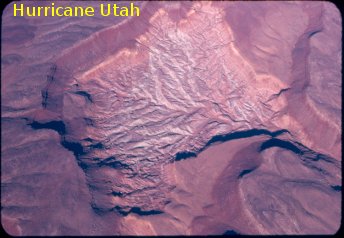
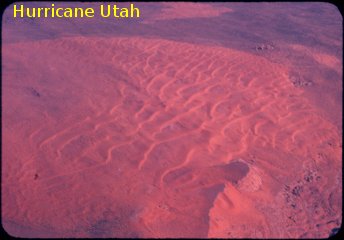
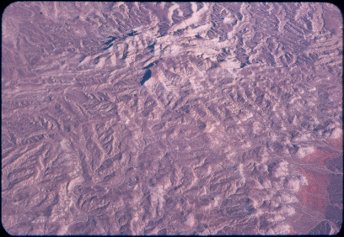
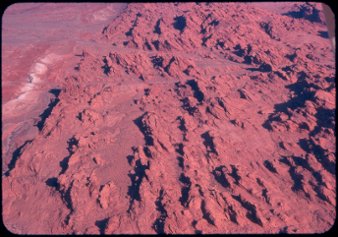
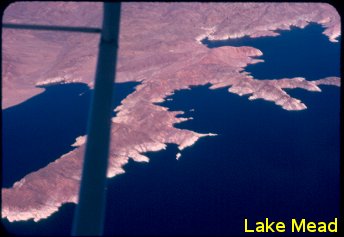

Refueled and refreshed, I continued southwest on V-21 over rugged, barren country to Overton, Nevada, which is just beyond the Mormon Mesa Vortac on the northern tip of Lake Mead. When I got there, a gale wind was blowing. The only way to get down intact was to land cross ways to the runway. I rolled up to a fence post, then quickly jumped out and tied the propeller hub to it. I got back it the plane to weigh it down, made a couple of peanut butter sandwiches, and sat there having supper. Flight time for the day was 5:10. Eventually some of the local pilots spotted me out there, and drove out to help walk my plane back to a tie down. One of them was a dentist, and he took me home with him. There was an abandoned motel on one side of his property, and one room still had a mattress in it. That’s where I bunked for the night. In the morning he fed me breakfast and drove me back out to the airport.
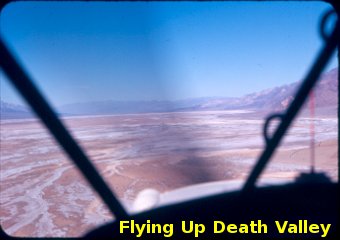
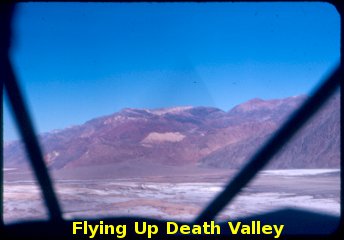
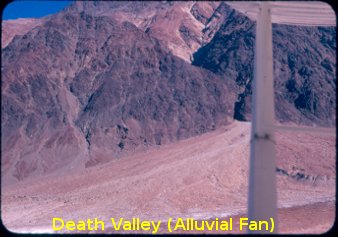
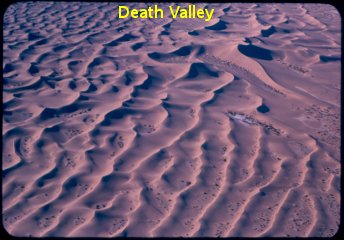
On the next leg I flew a little more westerly, skirting the north side of Las Vegas on a dead reckoning course over the Spring Mountains and Amargosa Range to the southern end of Death Valley. I flew up the valley admiring the scenery, including a crater in the middle of the valley floor with a bunch of GI’s and a Huey chopper next to it. As I passed overhead, the chopper took off and followed me for a few miles before turning back. Evidently this was some secret test that went badly. When I reached the salt flats at the lowest point in the valley, I couldn’t resist the temptation to land.
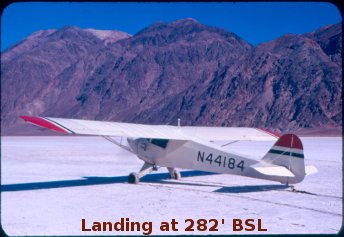
When I did, I came to an abrupt halt. I was axle deep in mud. There’s more run off in the winter, and underneath the crust of salt turns to mud. I was afraid the jig was up, that someone would spot me, and turn me in, and I’d be jailed and have the airplane confiscated for landing in a National Monument. I had to do something fast. I got back in the plane and fire walled it. Aided by the ten mph headwind coming down the valley, the tail came up without any forward movement, and the plane hopped into the air, plopped back into the mud after 20 feet forward motion, then hopped again, and continued to fly. I love this airplane!


There was an unattended air strip at Furnace Creek at the northern end of the valley. I landed there. It had been a leisurely 3:15 long day of flying, and I was now the only kid on my block to have flown 282 feet below sea level. The tail and bottom of the wings were covered with mud. I scraped it off as best as I could, then spread my seat cushions and sleeping bag under the wing to settle in for the night. At dusk, the coyotes started singing on the west side of the valley. By the middle of the night, they were all around me. It was clear and cold, and I saw stars like never before.
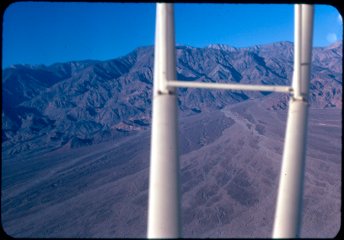

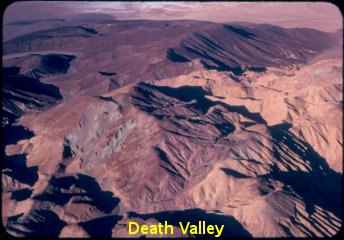

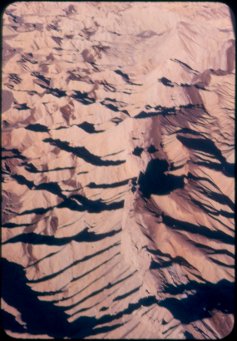
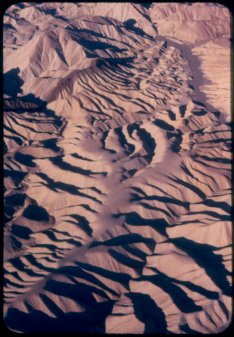
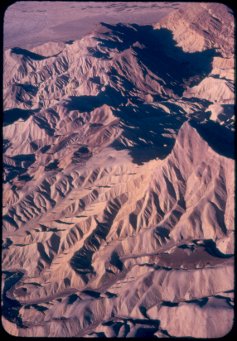
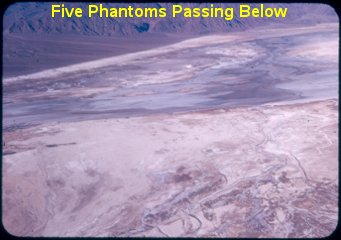
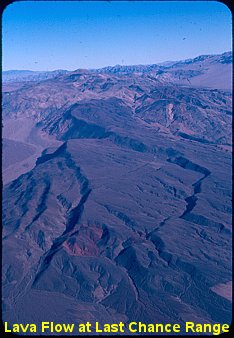
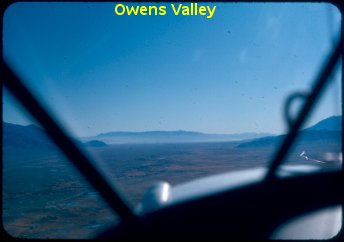
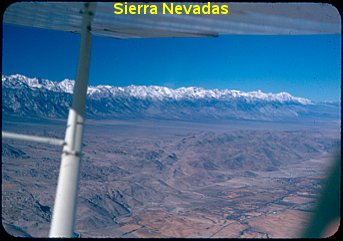
The next morning I took off and while circling for altitude, five F-4 Phantoms flew down the valley in formation below me. I headed due west, over the Panamint Mountains, then over the Inyo Mountains, and let down into the Owens Valley to land at Independence, California for gas. Ahead of me, the Sierra Nevadas loomed like a huge stone wall. I proceeded south, following the Los Angeles Aqueduct, and when the Owens Valley opened up into the Mojave Desert, I skirted the western side of Edwards Air Force Base. I flew through the haze of San Bernardino with my head swiveling, and made a gas stop at Rancho-California. This wasn’t a good place to camp, so I continued another 30 miles to Oceanside, on the coast halfway between LA and San Diego. As I tied the plane down, a pair of pilots offered to take me home with them. I wanted to get an early start in the morning, so I declined and sacked out under my horizontal stabilizer. It had been a 5:20 long flying day.


The next morning, December 31st, I made the short flight down to the uncontrolled field of Gillespie where I called the tower at Lindberg Int’l to request permission to fly in on ground control frequency. My radio had twelve crystal controlled frequencies, and Lindberg Int’l wasn’t one of them. Permission was cheerfully granted. I arrived without incident, and tied down in the itinerant parking area. I took my camera bag and sleeping bag, and hiked into town, directly to the zoo, where I put my sleeping bag in a locker, and spent the day touring the zoo. That evening I headed for the city park where I met one of San Diego’s finest with a stern warning that they didn’t allow winos to sleep in their city park. I certainly looked the part, since I hadn’t shaved in a week. I settled for a $6 hotel room with cracked plaster and broken glass on the floor. In the balance, no people or other creatures bothered me.

 Earth Base Zero